


Hormone health: Eating well across your monthly cycle


Our nutritional needs can vary across the menstrual cycle, alongside natural hormonal changes. Paying attention to how you eat at different times of the month can be a supportive way to improve energy levels and how you feel day to day.
Even if your cycle is irregular, or you are not currently menstruating, some people choose to use cyclical patterns as a loose framework for planning meals. This is about understanding your body and responding to its needs.
Here is a simple and flexible guide to food choices that some women find supportive at different stages of the cycle.
Follicular phase
(Day 1- 14 or from the end of your period until ovulation)
During this phase, hormone levels are relatively low and gradually rising. Many people notice a return of motivation and mental clarity.
This can be a good time to focus on fresh, nourishing foods that support general energy and appetite.
You might enjoy:
Oats, avocados, citrus fruits and leafy vegetables
Beans, lentils and nuts
Light, colourful meals that feel satisfying without being heavy.
Ovulatory phase
(Day 14)
Around ovulation, oestrogen levels are higher. Some women notice feeling more sociable, confident or energetic at this point in their cycle.
Meals during this phase often feel best when they are balanced and varied.
You could include:
Quinoa or other wholegrains
A wide range of vegetables such as peppers, courgettes, spinach and endive
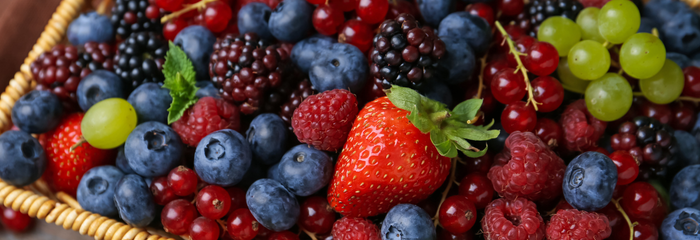
Berries and other colourful fruits.
Luteal phase
(Day 15 – 28 or one to two weeks before your period)
During the luteal phase, progesterone becomes more prominent and oestrogen levels fall. This is a time when some women notice changes in appetite, digestion, energy or mood.
Eating regularly and choosing meals that feel grounding and nourishing can be helpful.
You might prioritise:
Fibre-rich foods such as sweet potatoes, butternut squash and celery
Adequate protein from fish, poultry, eggs and beans plus healthy fats to help meals feel more sustaining
Foods naturally containing magnesium, such as broccoli, spinach, kale, cabbage, nuts and seeds.
Menstrual phase
(During your period)
The menstrual phase is often a time when rest and nourishment feel especially important. Energy levels may be lower, and some women prefer warming, comforting meals.
You may find it supportive to include:
Foods that naturally contain iron, such as leafy greens, lentils, beans, red meat or beetroot
Hydrating foods like soups, stews and water-rich fruits and vegetables such as watermelon, cucumber, celery, courgettes.
A more relaxed approach to eating, focusing on what feels easy to digest and satisfying
Rather than avoiding foods altogether, it can help to notice how different choices make you feel and respond with kindness.
This way of eating is not about perfection or strict diets. Hormonal patterns are only one influence on how we feel. Sleep, stress, workload, movement and life stage all play an important role.
Using your cycle as a guide can simply offer another way to check in with your body and adjust your food choices in a supportive and sustainable way.

You are not alone
Midlife, perimenopause and menopause can bring significant changes, and it’s natural to want support that considers the whole picture. Together, we can explore what is happening for you, look at how lifestyle factors interact with hormonal shifts, and create personalised nutrition and lifestyle strategies that support you day to day.
If you would like to book a FREE 30 minute discovery call to see how I can help you please do so here:
Thank you for reading 'Hormone health: Eating well across your monthly cycle'. I hope you have found it helpful. If you have topics that you'd like me to cover, please let me know.
This article is intended for general education and wellbeing support only. As a qualified nutritional therapist and health coach, I offer lifestyle and nutrition guidance but do not diagnose or treat medical conditions. Please consult your GP or another appropriate healthcare professional for individual medical advice.
Hormone health: Eating well across your monthly cycle
by Julie Gough


Comments